
Optimal Timing for Fire Restorations
Fire restorations are most effective when performed promptly after a fire incident to minimize damage and reduce restoration costs. The timing depends on various factors including weather conditions, availability of restoration services, and the extent of fire damage. Addressing fire damage as soon as possible helps prevent further deterioration such as mold growth, structural weakening, and lingering odors.
Quick fire restoration limits secondary damage, such as water damage from firefighting efforts and smoke infiltration, preserving property value.
Restorations during dry, mild weather can be more efficient, reducing delays caused by extreme heat, cold, or rain.
Scheduling restoration services soon after a fire ensures better availability of skilled professionals and equipment.
Delaying fire restorations can lead to worsening conditions, including structural instability and health hazards from smoke and soot.
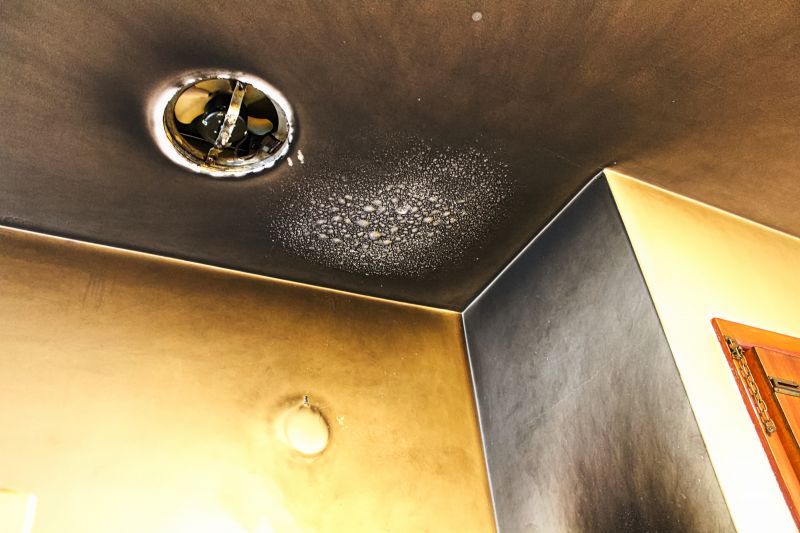
Ways to make Fire Restorations work in tight or awkward layouts.
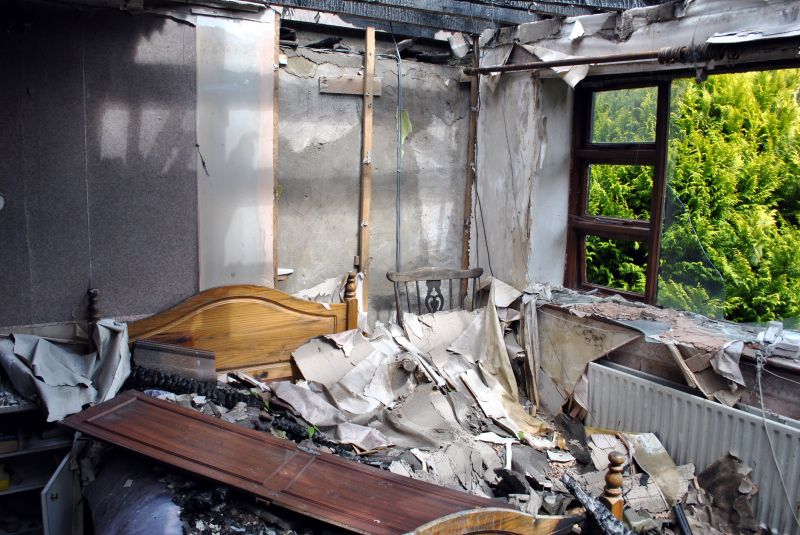
Popular materials for Fire Restorations and why they hold up over time.
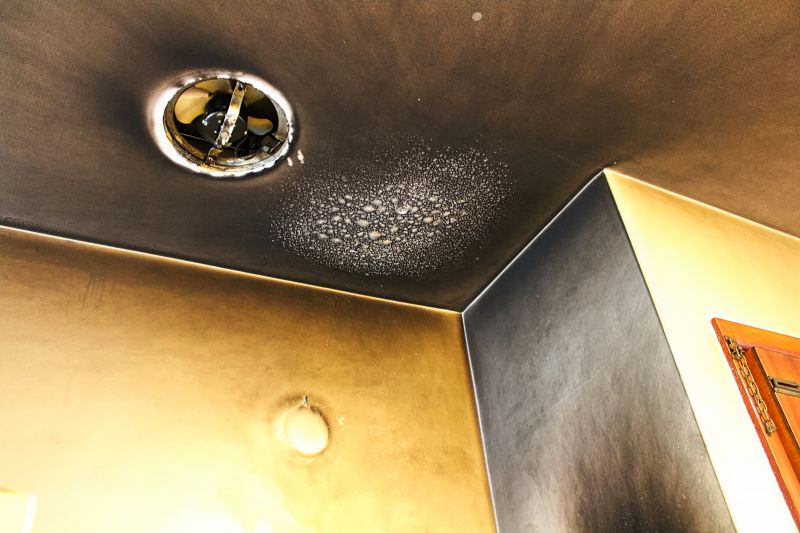
Simple add-ons that improve Fire Restorations without blowing the budget.
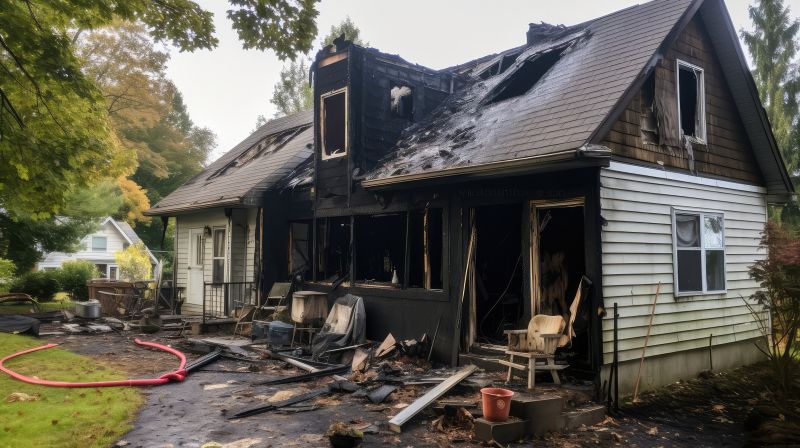
High-end options that actually feel worth it for Fire Restorations.
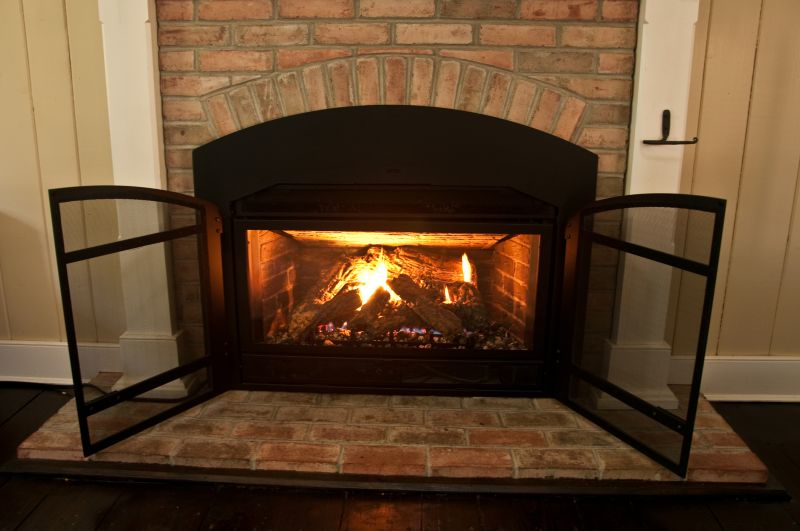
Finishes and colors that play nicely with Fire Restorations.

Little measurements that prevent headaches on Fire Restorations day.
Fire restorations involve a comprehensive process of cleaning, repairing, and restoring property affected by fire and smoke damage. This process includes removing soot and debris, deodorizing affected areas, and repairing structural elements. The goal is to return the property to its pre-fire condition efficiently and safely.
Statistics indicate that timely fire restoration can reduce total damage costs by up to 50 percent. The longer fire damage remains unaddressed, the greater the risk of secondary issues such as mold growth, corrosion, and material deterioration. Proper restoration techniques are essential for maintaining the integrity and safety of the property.
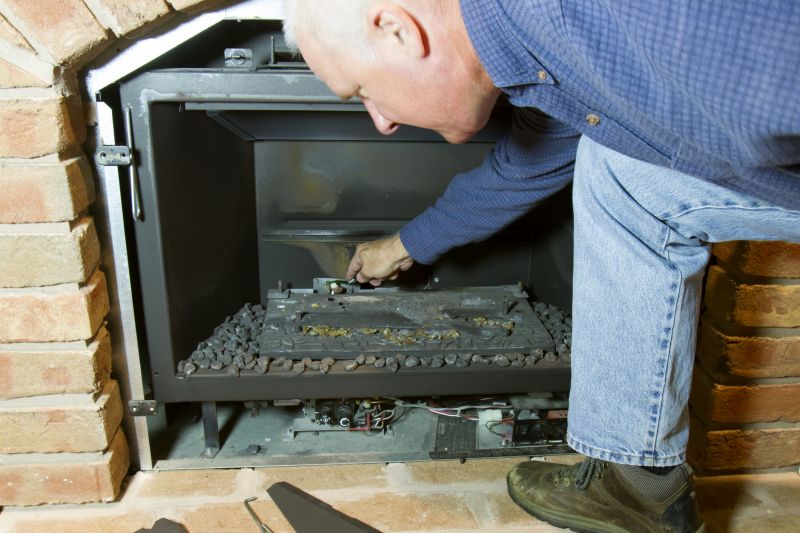
A 60-second routine that keeps Fire Restorations looking new.
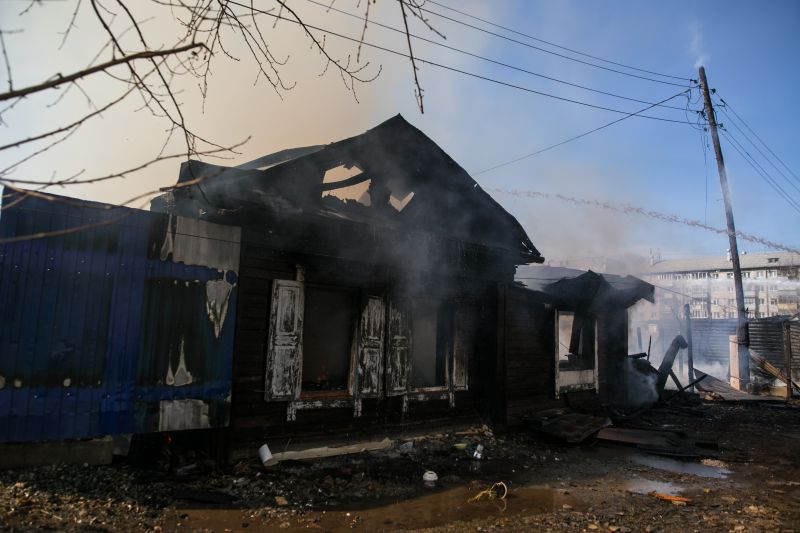
A frequent mistake in Fire Restorations and how to dodge it.

Small tweaks to make Fire Restorations safer and easier to use.
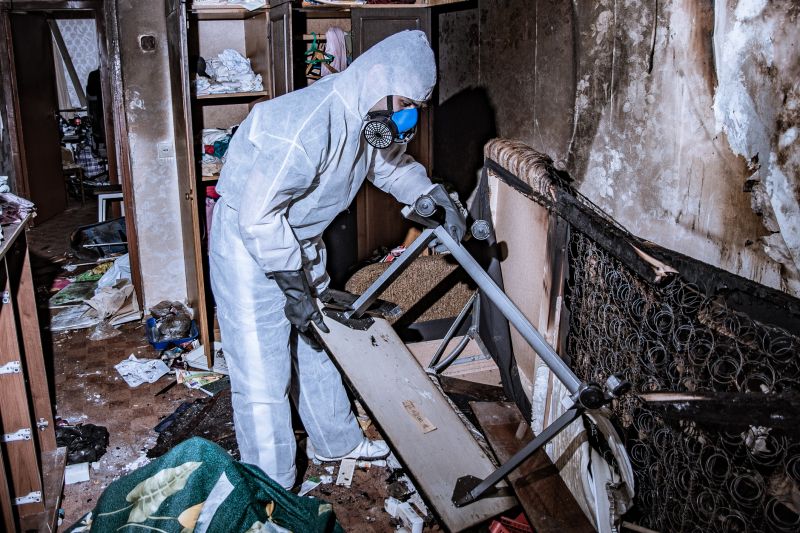
Lower-waste or water-saving choices for Fire Restorations.
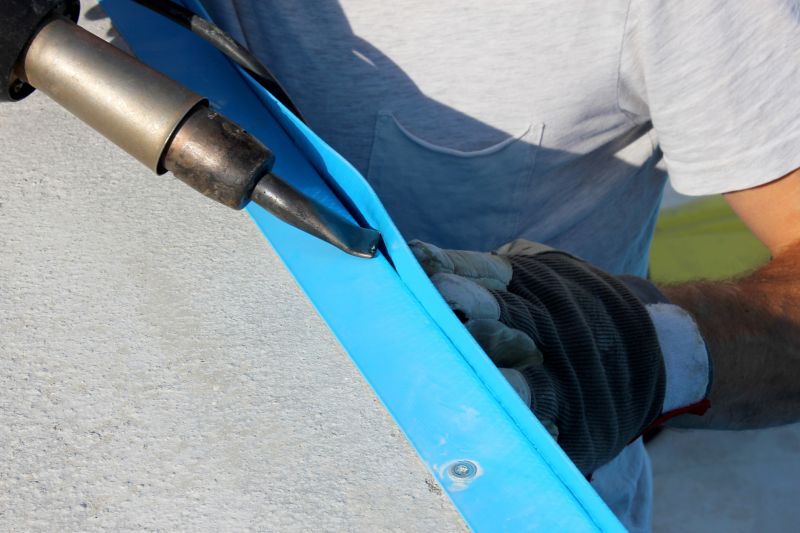
The short, realistic tool list for quality Fire Restorations.
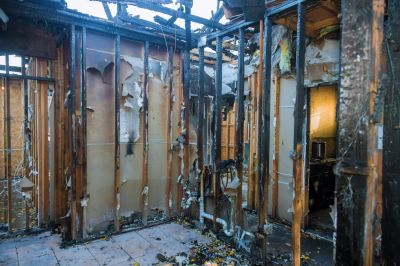
Rough timing from prep to clean-up for Fire Restorations.
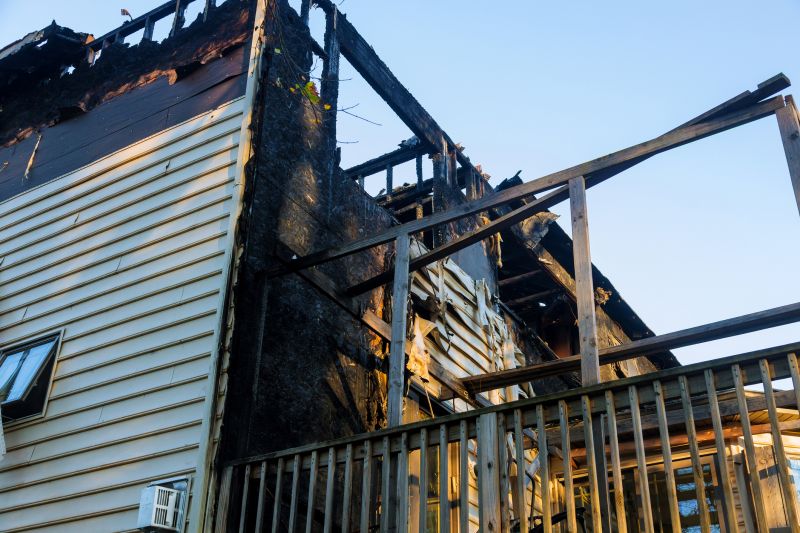
Quick checks and paperwork to keep after Fire Restorations.
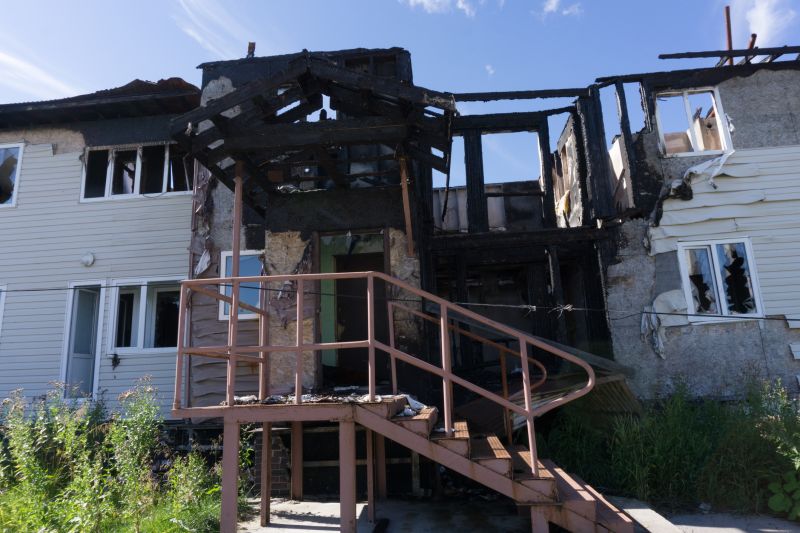
Examples that show the impact a good Fire Restorations can make.
| Aspect | Details |
|---|---|
| Optimal Timing | Within 24-48 hours after fire incident |
| Weather Impact | Dry and mild conditions facilitate faster restoration |
| Service Availability | Scheduling soon improves access to specialists |
| Cost Efficiency | Early intervention reduces overall expenses |
| Damage Progression | Delays can lead to structural and health hazards |
| Secondary Damage | Water, mold, and corrosion risks increase with time |
| Odor Removal | Faster response helps eliminate persistent smoke smells |